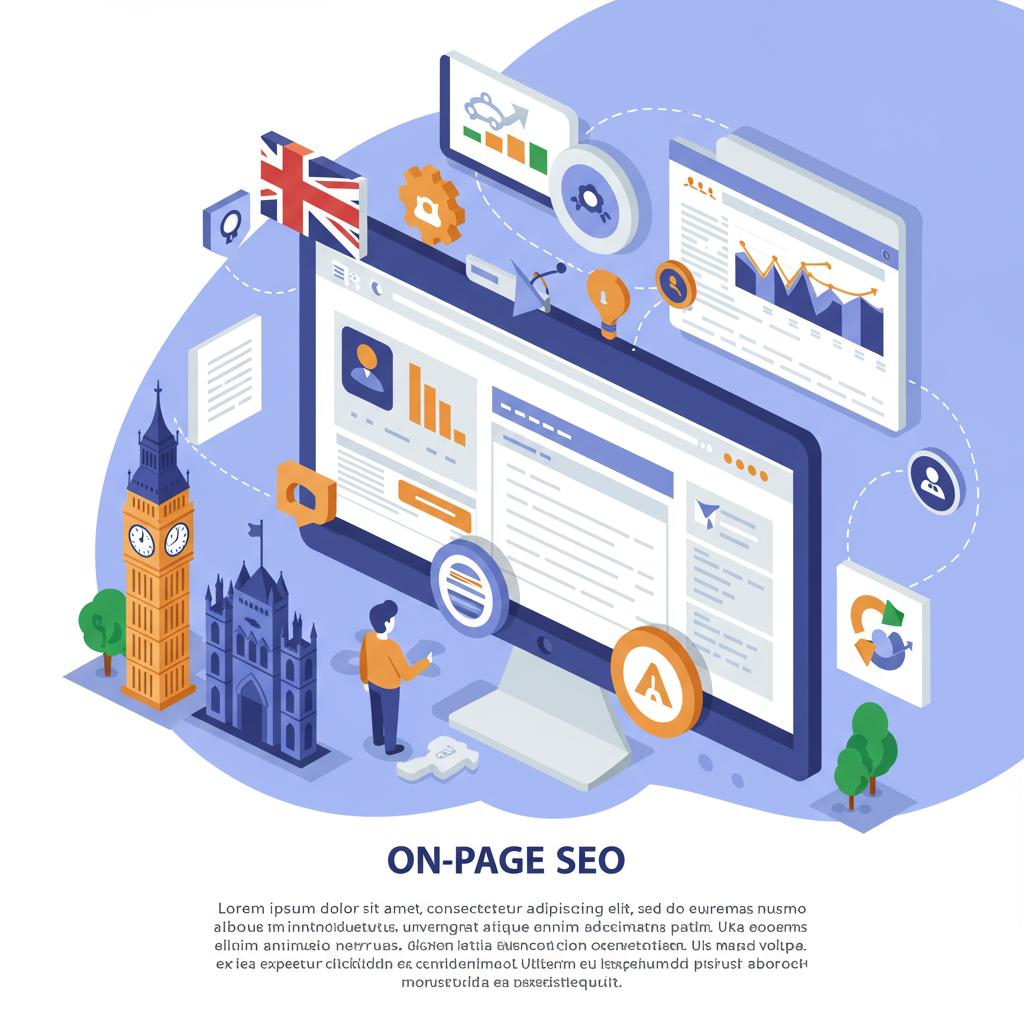
Understanding On-Page SEO is essential as it involves optimizing individual web pages to rank higher and earn more relevant traffic in search engines. It’s a crucial component because even minor modifications can significantly impact your site’s visibility and user traffic.
The Importance of Content and Keyword Intent
Imagine on-page SEO as the icing on a cake. The base—your content—must be solid, useful, and aligned with the intent of the keywords you target. This foundation supports all other on-page elements that enhance your SEO efforts.
Effective On-Page SEO Techniques
Here are practical on-page tweaks to boost your rankings and enhance search traffic performance:
- Strategic Keyword Placement Placing your target keyword in key elements of your page is vital for both Google and your readers to grasp the page’s focus:
- Page title URL Main header (H1) Subheaders (H2s, H3s, etc.) Introductory paragraph
It’s unusual to discuss “brewing espresso” without mentioning it in the title or introduction. Using exact-match keywords in these spots is helpful, but Google’s smart algorithms also recognize synonyms and related terms. Avoid keyword stuffing as it can degrade your site’s performance. - Utilizing Header Tags HTML header tags (e.g.,
<h2>,<h3>) are not just for structuring but also crucial for helping Google understand the content hierarchy and thematic breaks. Here’s how to use them effectively:- One
<h1>tag per page.<h2>tags for main points.<h3>and further for supporting ideas.
Good use of headers also improves user readability, making it easy for visitors to scan and understand different sections quickly. - One
- Crafting a Compelling Title Tag Title tags are critical as they influence the decision of which search result to click. Google may alter these tags, especially if they are too long or too short, but crafting an engaging title can significantly impact click-through rates.
Some tips include:- Keeping it under 70 characters to prevent truncation.
- Matching the search intent.
- Avoiding misleading clickbait.
- Incorporating the keyword sensibly.
- Adding the current year for topics requiring updated information.
- Writing Engaging Meta Descriptions Although not a direct ranking factor, meta descriptions impact click rates as they often appear in the search snippets.
Writing effective meta descriptions involves:- Keeping under 160 characters.
- Expanding on the title to include additional information.
- Using an active voice to engage directly with searchers.
- Including the target keyword as Google tends to bold these in results.
- Setting SEO-friendly URLs URLs should be concise, descriptive, and aligned with the core topic. Avoid dates unless they are integral to the content. Simplicity in URL structure aids user understanding and navigation, both important for Google’s indexing.
- Integrating Useful Internal Links Linking internally to other relevant pages on your site helps with site navigation and establishes information hierarchy for Google. It passes link authority among pages and can enhance the ranking potential of key internal pages.
When adding links:- Use descriptive, natural anchor text.
- Connect to significant pages like product, service, or top blog posts.
- Apply a hub-and-spoke linking model to distribute page authority effectively.
- Optimizing Images Optimized images can rank in Google image search, potentially driving more traffic to your site.
To optimize images effectively:- Compress images to reduce file size and improve load times.
- Use descriptive filenames to clue search engines into the image’s content.
- Implement descriptive alt text to improve accessibility and provide context to search engines about the image subject.
Conclusion
Implementing these on-page SEO strategies will help Cheshire Online enhance its online presence, attract more targeted traffic, and achieve better engagement with content. This comprehensive approach not only improves technical SEO elements but also enriches the user experience, ensuring that both visitors and search engines can appreciate the quality and relevance of your content.